WEE BLETHER
You know you're Scottish when... the deeply unscientific checklist
Fifteen familiar moments, a generous helping of patter and absolutely no entrance exam.
Being Scottish comes in plenty of accents, backgrounds and family traditions. Nobody needs to like the same drink, know every dance or have been born in a particular postcode. This is a collection of affectionate recognitions. Tick the familiar bits in your head. Argue cheerfully about the rest.
1. You have an opinion about IRN-BRU
Love it, leave it or maintain a detailed position on the different versions. Somehow the orange drink has made its way into the conversation again. The official IRN-BRU site is the place for the drink itself; our contribution is admitting that a beverage can generate more family discussion than the holiday plans. Other preferences are fully available.
2. The weather gets a proper description
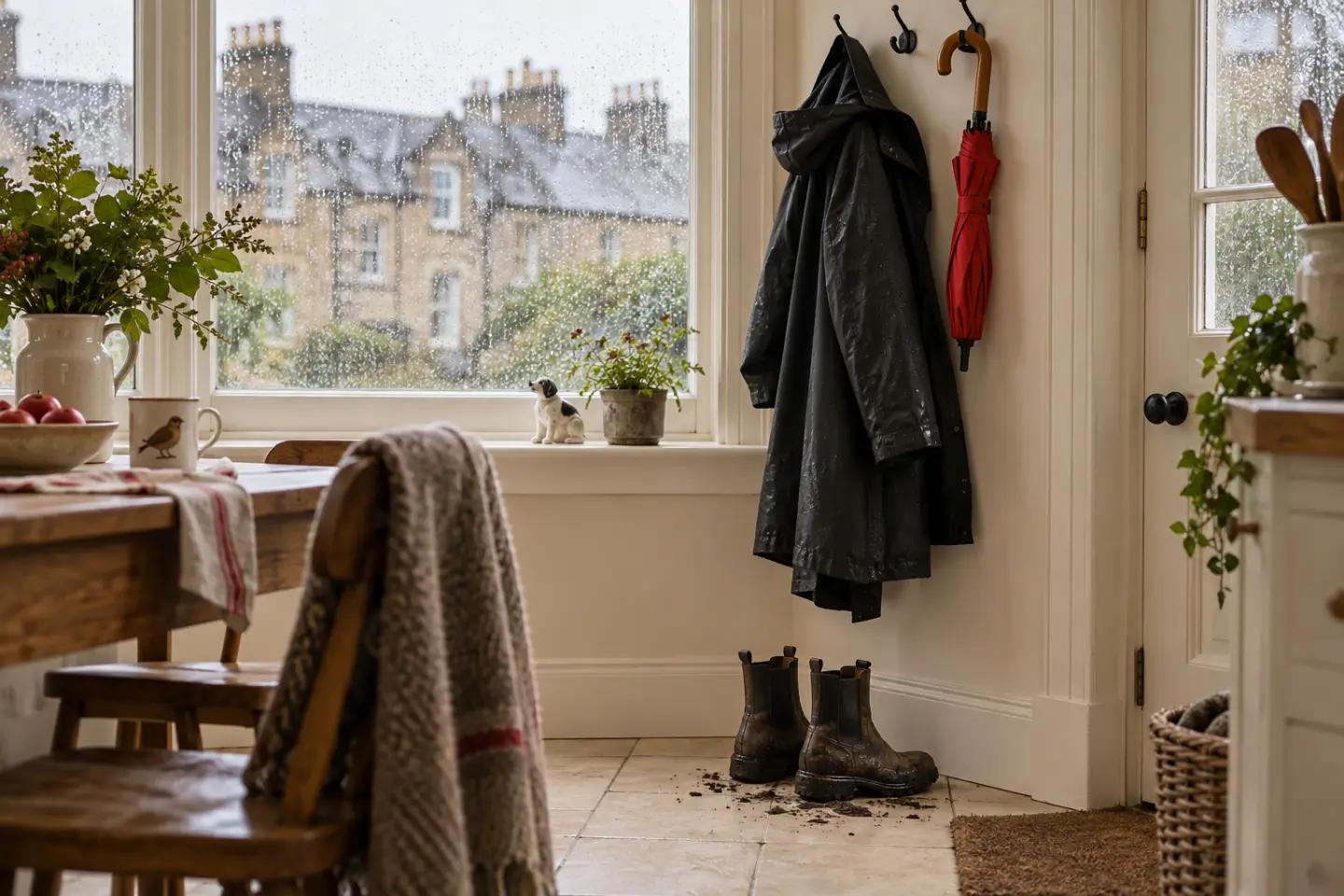
Rain is a starting point. Dreich does a more satisfying job when the whole view looks grey. You inspect the window, inspect the forecast, then consult somebody who has just come in. Three sources. Still taking a coat. Dreich and other weather words live in the Wordbook.
3. A wee walk has flexible measurements
A wee walk might finish at the corner. It might involve a flask, a hill and a disagreement about whose idea the hill was. Our advice: establish the route before accepting the adjective.
4. A quick blether needs no fixed end time
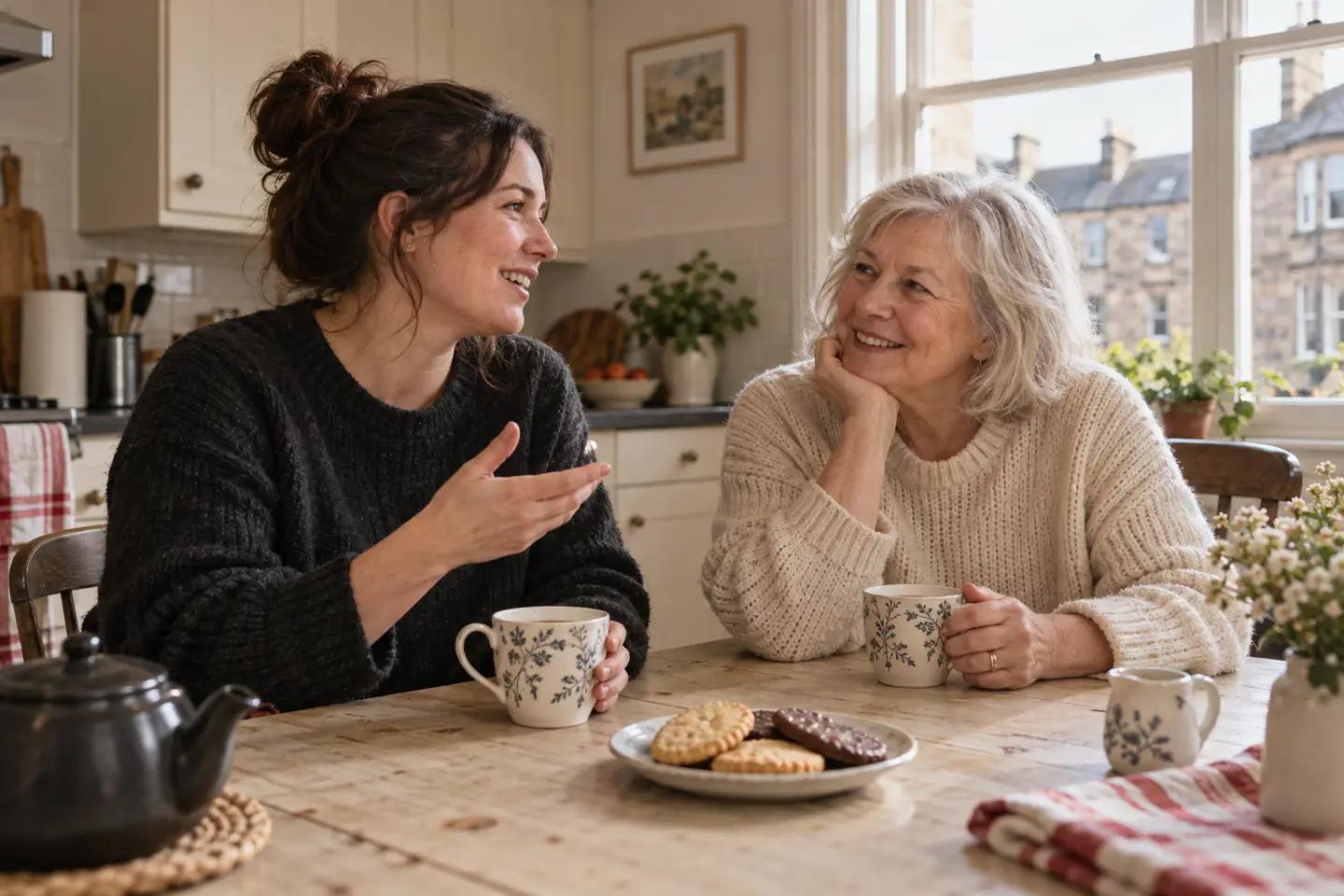
You came to drop something off. Now the kettle is on and you know how somebody's kitchen extension is going. Blether can mean a chat, as well as talking too much. The difference may depend on who has the parking ticket.
5. Braw is a perfectly useful review
The day out was braw. The new coat is braw. The present is braw. Five stars feel unnecessarily administrative when one good word will do. In the Wordbook, braw gets its plain-English meaning and a little room to show off.
6. Your family has a word for the smallest family member
Bairn, wean, the baby, the wee one. The choice can change with place and family. There is no strict border checkpoint. The wean and bairn entries explain the overlap. The child, meanwhile, will answer whenever snacks seem likely.
7. A piece can be lunch
Context does the work. A piece in a lunch bag may well be a sandwich. A piece of furniture is going to need a larger lunch bag. Piece is one of the everyday food words worth keeping handy when the conversation gets hungry.
8. You recognise Hogmanay as a proper occasion
Whether your household goes out, stays in or falls asleep before the bells, the name carries its own associations. VisitScotland's Hogmanay guide covers traditions and local celebrations. Our household-level contribution: somebody always asks where the good glasses are.
9. The family version of a tradition is the definitive version
Especially according to the relative explaining it. Scotland's New Year customs vary by place and household, as the VisitScotland guide makes clear. You can enjoy that variety without conducting a formal inquiry into somebody else's celebrations. Bring warmth, curiosity and an appetite for a story.
10. A ceilidh can rearrange your confidence
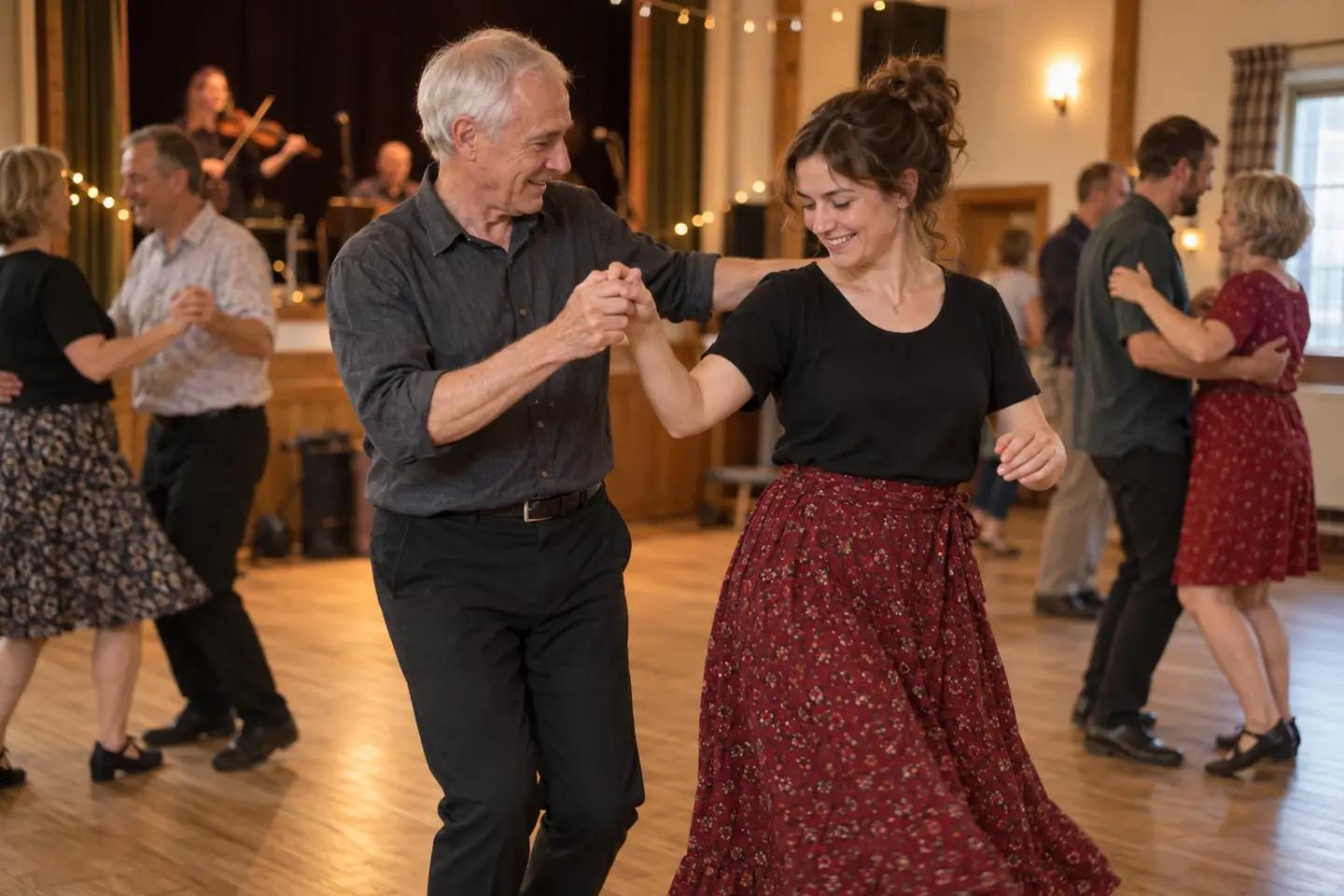
You understood the explanation. Your feet have interpreted the explanation independently. A ceilidh is a familiar part of Scottish celebrations, and a friendly room has space for learners. Knowing the next move is helpful. Smiling while you find it is a respectable second option.
11. Aye is wonderfully efficient
Would you like tea? Aye. Biscuit? Aye. Shall we discuss the entire street while the tea brews? Already under way. The aye entry also explains why the same spelling can mean always. Short words can carry a respectable workload.
12. Outwith looks like an ordinary word to you
Outside or beyond. A clear, useful word, particularly when a request falls outwith your available enthusiasm. Read outwith, then enjoy the moment when somebody discovers a familiar word is less familiar elsewhere.
13. Coorie in sounds like a good plan
Once the coats are off and the rain is somebody else's problem, coorie in has a lovely ring to it. A blanket, a seat and a little peace. The family pet may already occupy all three.
14. A compliment can have a bit of cheek
A wee belter can be affectionate praise. Gallus can admire somebody's confidence, though tone matters. Friendly teasing works best when everybody is enjoying the joke. The best patter leaves room for the person hearing it to laugh too.
15. One familiar word can bring somebody to mind
A phrase from Gran, a pal's favourite expression, a word that always appeared at the kitchen table. That personal connection is the bit we like most. Scotland contains far more stories than one checklist could hold. Yours is allowed to sound different.
A wee bit of Scotland for the next generation
Our Scottish Favourites collection puts familiar patter on baby vests and children's T-shirts. Start with the child's actual size and the family's sense of humour. The Scottish baby gift guide helps with the practical part. For more words and their meanings, have a proper rummage through the Wee Belter Wordbook.
A familiar phrase makes a thoughtful present
If the checklist brings someone to mind, the Scottish gift ideas guide offers presents for babies, children and grown-ups. Choose the connection that belongs to your family; the joke should feel like an invitation.
Sources
- VisitScotland Scots wordsVisitScotland
- IRN-BRU officialirn-bru.co.uk
- VisitScotland HogmanayVisitScotland
- Met Office western Scotland climatemetoffice.gov.uk
- Scottish baby gift guideWee Belter
- the WordbookWee Belter
- Scottish FavouritesWee Belter
- culture and traditionsbusinessevents.visitscotland.com
- weanWee Belter
- bairnWee Belter
- brawWee Belter
- gallusWee Belter
- Dreich and other weather words live in the WordbookWee Belter
- BletherWee Belter
- PieceWee Belter
- aye entryWee Belter
- outwithWee Belter
- coorie inWee Belter